Gluten-Free Swaps That Actually Taste Good (From Someone Who Has Celiac)
Jul 06, 2026I didn't choose to go gluten-free because it was trendy. I went gluten-free because I have celiac disease, and my body genuinely can't process gluten without paying for it. So when people ask me for gluten-free recommendations, I'm not coming at it from a place of "this might be healthier". I'm coming at it from years of trial, error, and a lot of disappointing bread.
The good news: gluten-free eating has come a long way, and you don't have to sacrifice flavor or texture nearly as much as you used to. Here are the swaps I actually use in my own kitchen, as a busy mom who still needs dinner on the table fast.
Pasta
This is the one people worry about most, and honestly, it's the easiest fix. Chickpea and lentil-based pastas have a texture close enough to regular pasta that my kids don't even notice the difference, and they come with a nice protein boost built in. Brown rice pasta is another solid, mild-tasting option if legume pastas aren't your thing. My biggest tip: don't overcook it. Gluten-free pasta goes from perfect to mushy fast, so pull it a minute early and let it finish in the sauce.
Bread
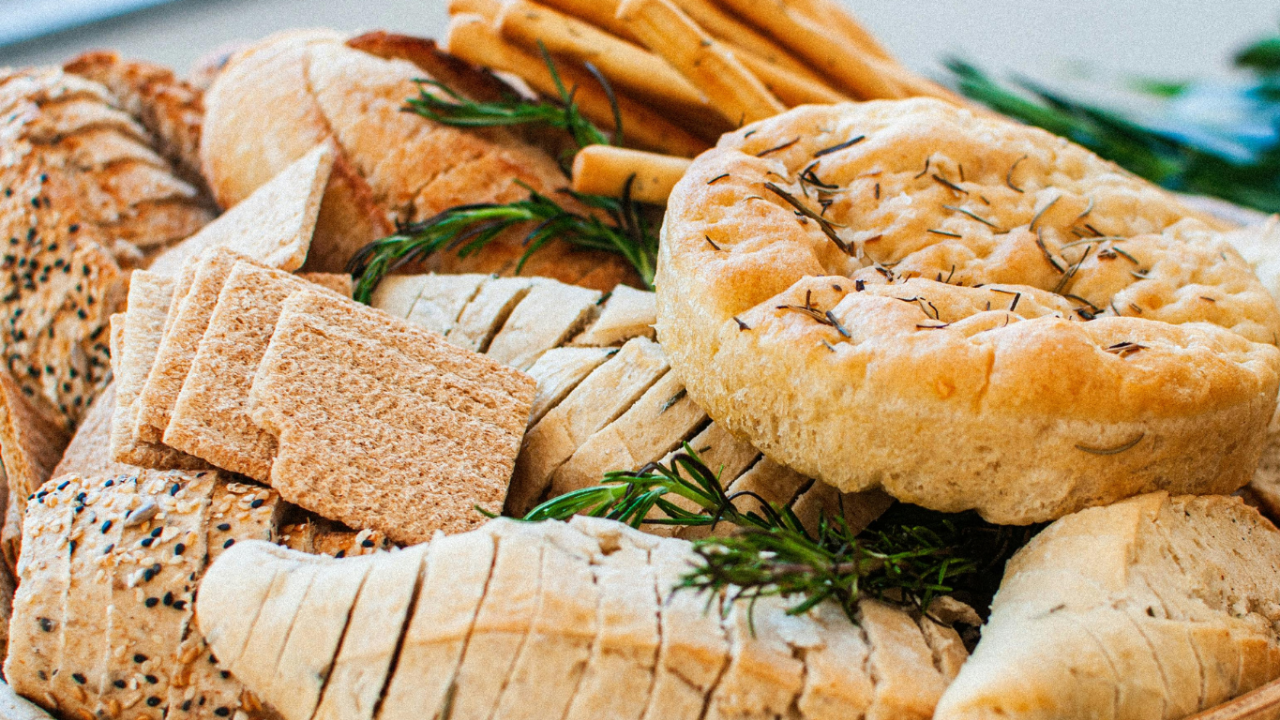
Bread was the hardest thing to give up, and for a long time gluten-free bread just wasn't good. That's changed. Look for gluten-free breads made with a mix of flours (not just rice flour, which tends to be dry and crumbly), those hold together much better for sandwiches and toast. Toasting it lightly before eating also makes a noticeable difference in texture.
Flour, for baking or thickening
For most everyday cooking, thickening a sauce, coating chicken, baking something simple , a 1:1 gluten-free all-purpose flour blend is the easiest swap. It's formulated to behave like regular flour cup-for-cup, so you're not doing math or guessing ratios mid-recipe.
Soy sauce
Regular soy sauce contains wheat, which catches a lot of people off guard. Tamari is the swap, it's brewed similarly to soy sauce but is naturally gluten-free, and most people can't tell the difference in a stir-fry or marinade.
Breadcrumbs and coatings
For breading chicken or making meatballs, crushed gluten-free crackers or gluten-free panko work just as well as the originals. Almond flour is another option if you want a lower-carb coating with a nice crunch.
Oats
This one's a little different, oats themselves are naturally gluten-free, but they're very commonly cross-contaminated during processing. If oats are part of your routine (overnight oats, granola, etc.), look specifically for oats labeled "certified gluten-free," not just "gluten-free" on the front, since certification means it's actually been tested.
A note on eating out and reading labels
Gluten hides in places you wouldn't expect, soup bases, salad dressings, seasoning blends. If you're newly diagnosed or cooking for someone who is, the label-reading learning curve is real, and it does get easier. When in doubt, whole, unprocessed ingredients are always the safest bet.
Why this matters to me
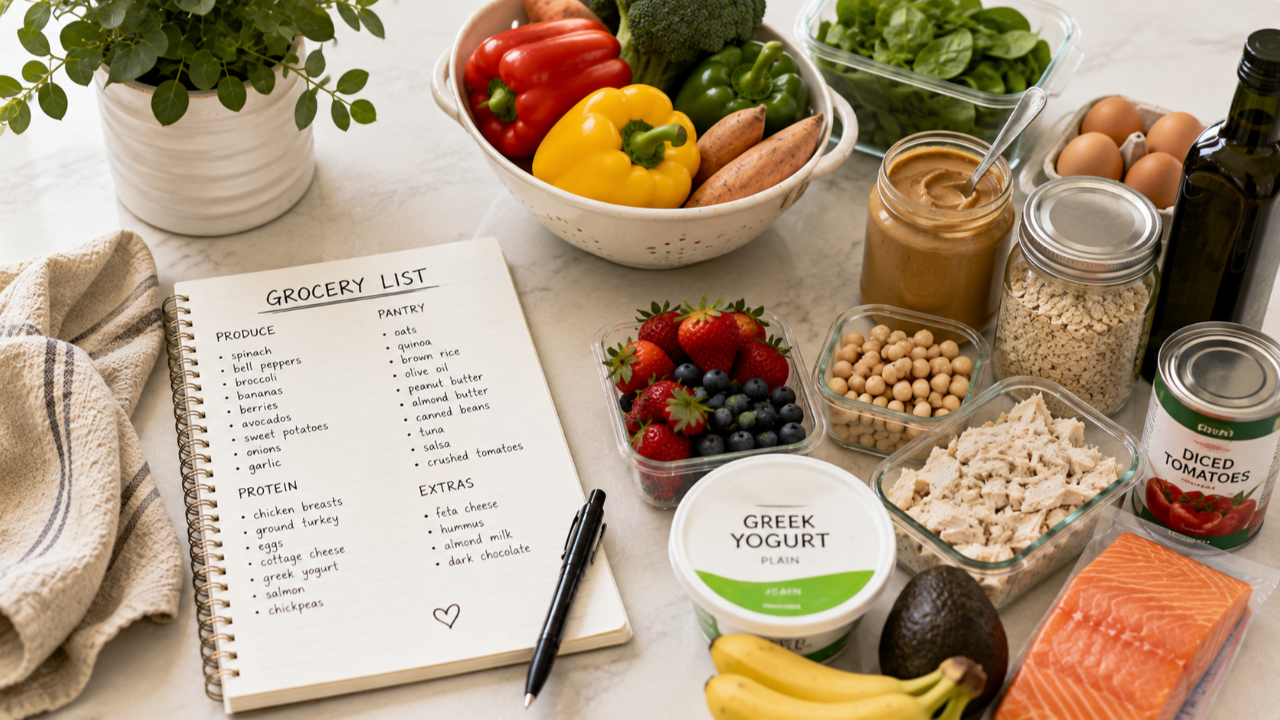
I built my own eating approach around meals that are naturally gluten-free more often than not, lots of protein, vegetables, and whole foods that don't require a special substitute in the first place. It's part of why the meals inside Busy Mom Meals are built the way they are: simple ingredients that work for a lot of different dietary needs, without every recipe needing a workaround.
If you're navigating a gluten-free diet yourself, whether it's celiac, a sensitivity, or just cooking for someone who needs it. I hope these swaps make it feel a little less overwhelming. It gets easier, I promise.