The "Healthy" Foods That Aren't Always What They Seem
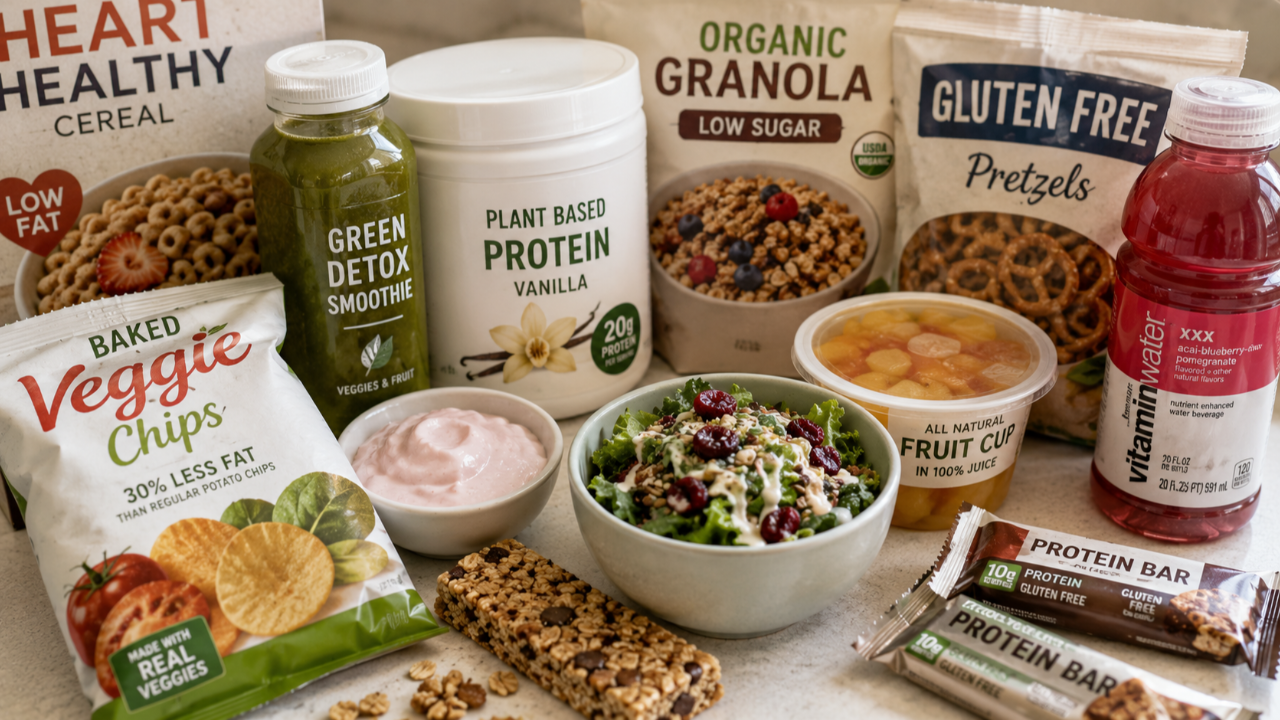
Aug 06, 2026Not everything labeled healthy actually functions that way in the body. Some foods that look like smart choices on the label, oat milk lattes, low-fat yogurt, protein bars, cereal, smoothie shop smoothies, can be surprisingly low in protein, high in added sugar, and not nearly as filling as they seem. Here's what to actually look for.
Coffee
Coffee on an empty stomach can spike cortisol, and a lot of popular coffee-shop drinks come with a surprising amount of added sugar mixed in. Starting the day with water, then a protein-forward breakfast, then coffee (with or after that breakfast) tends to feel a lot steadier than coffee first thing on an empty stomach.
If dairy isn't an option, oat milk and almond milk are fine choices, they're just naturally lower in protein than dairy milk. Adding a scoop of unflavored collagen or a plant-based protein powder can help close that gap. When comparing brands, a shorter ingredient list is generally a good sign.
"Low Fat" and "Fat Free" Labels
When fat is removed from a product, something usually gets added back in to make up for flavor and texture, often sugar. This shows up a lot in salad dressings, yogurt, and frozen meals. It doesn't mean all low-fat products are a problem, but it's worth checking the label. If the ingredient list has grown from five items to thirty, that's a signal to look closer.
Healthy fats like olive oil and avocado oil matter for hormones, mood, and overall balance, so the goal isn't avoiding fat altogether. It's choosing where that fat comes from.
Protein Bars
Not every "protein bar" delivers much protein. Something with 15+ grams of protein and under 8 grams of added sugar (natural sugar from dates is fine) is a solid target. Bars built mostly around nuts and dates are also a great source of healthy fat, even if they're lower in protein specifically.
Cereal and Smoothies
A lot of cereals are high in carbs and low in fiber, which tends to mean a blood sugar spike followed by a crash. If cereal is part of the routine, pairing it with a protein source, or choosing a higher fiber or higher protein cereal option, helps balance it out.
Smoothies made from mostly fruit can do the same thing. Adding chia seed, flax seed, Greek yogurt, or a protein powder rounds a smoothie out with fiber and protein, which helps it actually hold you over.
None of this requires perfection or tracking every macro every day. Small swaps, a slightly different coffee order, a plain Greek yogurt instead of a sugar-loaded low-fat one, an olive oil-based dressing, add up. The most useful habit isn't eliminating entire food categories. It's getting a little more familiar with labels and noticing how different choices actually make you feel.